
12 nursing jobs in Culver City, CA
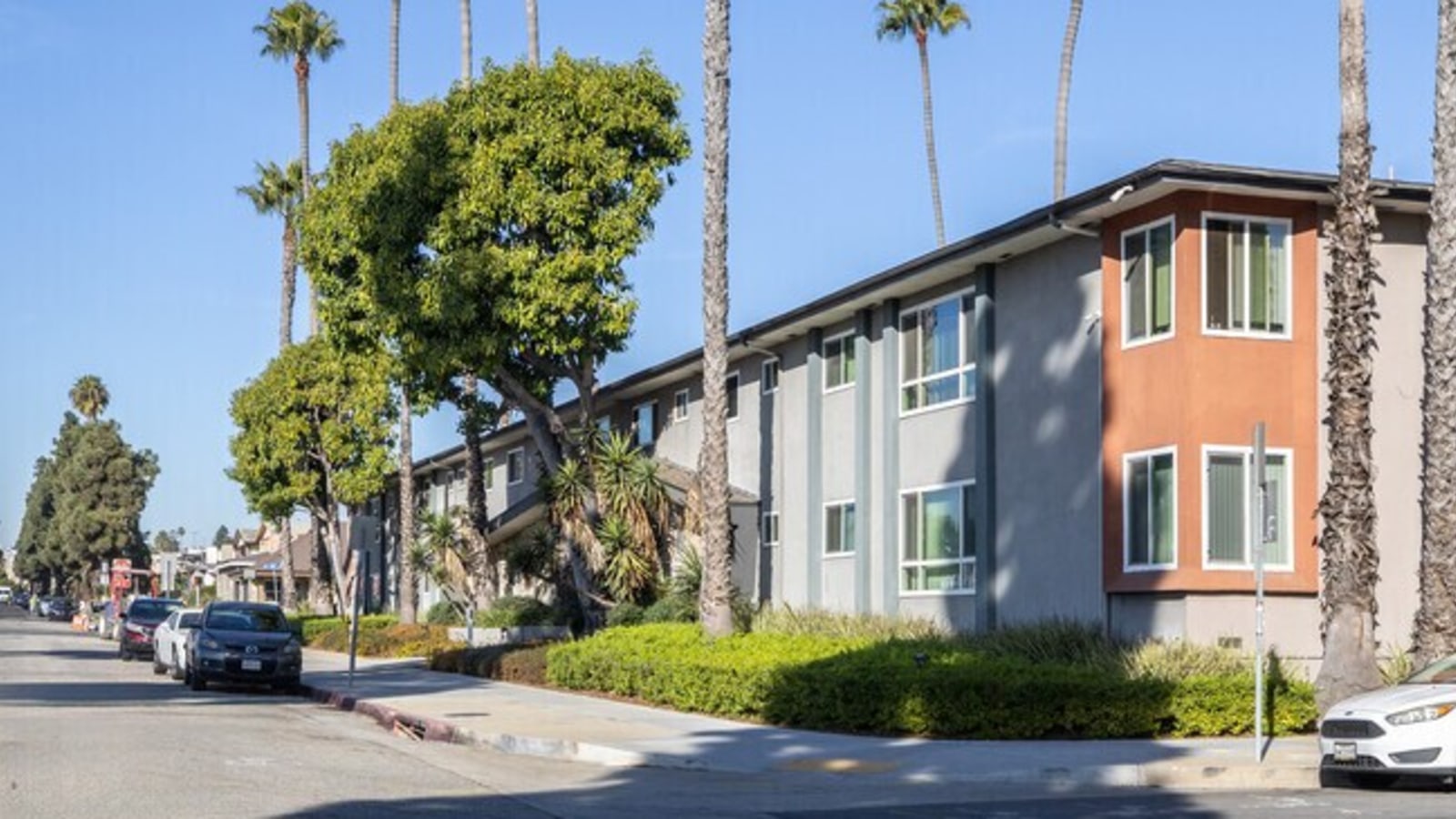
Find a nursing job in Culver City
Hiring here: Southern California Hospitals (2) · AccentCare, Inc. (1) · Alcott (1) · CAPITAL M VENTURES LLC (1) · Cedars-Sinai (1) · Cedars-Sinai Medical Center (1)

- New grads welcomed
- LVN
- Day shift


- Sign-on bonus
- LVN
- 8-hour days
- Sign-on bonus
- RN
- Day shift
- Tuition reimbursement

Licensed Vocational Nurse - LVN
$38–$40/hr
- LVN
- 2–3 days per week, plus additional PTO coverage as needed
- Local contract

RN Case Manager, Home Health
$108,000–$120,000/year
- RN
- Full Time Mon-Fri
- Sign-on bonus
- RN
- Night shift
- ADN accepted
Working and living in Culver City
· 12 open roles
New to our board this week
0 current postings first appeared here in the past seven days.
Credentials accepted
- RN5
- LVN6
- CNA1
One posting may accept more than one credential.
Shifts listed
- Days6
- per-diem2
- Nights1
- Rotating1
Postings may list several shifts or leave the shift unspecified.
Living in Culver City
Culver City offers healthcare professionals a rare blend of independent municipal infrastructure and vibrant Westside culture.
More about life hereShow less
Operating under its own city government, police force, and school district, this five-square-mile enclave maintains a distinct community feel separate from the broader Los Angeles sprawl. Nurses will appreciate the central geography, positioned six miles from coastal beaches and seven miles from LAX, with an average commute of roughly 28 minutes to major regional medical centers.
Off-shift hours can be spent tackling the 282-step Culver City Stairs at the Baldwin Hills Scenic Overlook, sampling counter-service fine dining at Destroyer in the Arts District, or meeting colleagues for dinner around Town Plaza and the historic Culver Hotel. Housing ranges from manageable condominiums in Fox Hills and Studio Village to leafy residential blocks in Carlson Park.
While competitive housing demand and traffic on arterial thoroughfares like Venice Boulevard present real daily hurdles, Culver City's walkability, safety, and independent civic services make it one of Southern California's most practical and attractive landing spots for relocating medical professionals.
Sources
Neighborhoods
Culver City offers distinct residential pockets ranging from dense, walkable cores to quiet hillside enclaves. Studio Village provides condominiums and townhomes within walking distance of Sony Pictures Studios and downtown amenities, making it a frequent pick for working professionals.
Fox Hills delivers a concentration of condo complexes and multi-family apartments that serve as a practical, accessible entry point, while Carlson Park features quiet, tree-lined residential streets with single-family homes steps from green space. For elevated settings, Blair Hills features mid-century properties backing up against parkland, and Culver Crest offers spacious single-family homes along hillside streets with views across the Los Angeles Basin toward the Pacific Ocean.
Sources
Housing
Culver City's housing stock ranges from mid-century starter houses and expansive modern single-family rebuilds to low-maintenance townhouses and condominiums. Multi-family condo developments are concentrated primarily in Fox Hills and Studio Village, serving as prime choices for buyers and renters seeking manageable upkeep close to transit.
Neighborhoods such as Park West and Carlson Park feature post-war and craftsman single-family properties on tree-lined streets, while Culver Crest commands a premium for hillside lots with panoramic views. High demand driven by major corporate campuses means inventory moves quickly across all property categories.
Sources
Getting around
Commutes in Culver City average roughly 28 minutes, aided by its central Westside location between downtown Los Angeles and coastal hubs. The area is served by major thoroughfares including Venice and Culver Boulevards, the San Diego Freeway (I-405), and regional light rail access that connects directly to Santa Monica and Downtown L.A. For healthcare workers traveling to major medical centers across West LA, shift timing plays a critical role in avoiding notorious bottleneck congestion on arterial boulevards and freeway interchanges.
Travel to Los Angeles International Airport (LAX) is relatively swift, sitting approximately seven miles south, though hospital parking garages and local street parking can be constrained around the commercial and studio districts.
Food and dining
Culver City's dining scene centers around a walkable downtown district anchored by Town Plaza and the Culver Steps, featuring open-air patios, lively bars, and upscale grocers like Erewhon along Culver Boulevard. In the neighboring Culver City Arts District, daytime dining stands out at avant-garde culinary spots like Destroyer, which pairs fine-dining culinary techniques with counter-service presentation.
Shift workers and food enthusiasts can tap into a broad spectrum of dining, from neighborhood coffee houses and food truck rallies to casual international fare and historic gathering spots like the dining room and lounge inside the 1924 Culver Hotel.
Sources
Outdoors
Outdoor activity centers around the Baldwin Hills Scenic Overlook, where fitness enthusiasts tackle the famed 282-step Culver City Stairs for panoramic vistas stretching across the entire basin from the Hollywood Sign to the Pacific coast. Just adjacent to Blair Hills, the expansive Kenneth Hahn State Recreation Area provides miles of multi-use trails, expansive lawns, and landscaped picnic zones.
Within residential neighborhoods, green pockets like Carlson Park offer peaceful community gathering lawns, while skaters frequent the 13,000-square-foot bowl setup at the Culver City Skate Park located near the town center.
Sources
Arts and culture
Known historically as 'The Heart of Screenland,' Culver City's cultural identity is deeply tied to entertainment, housing production hubs for Sony Pictures, Culver Studios, and Amazon MGM. Live theater is anchored by the restored 1940s Kirk Douglas Theatre, while the town hosts unusual, world-renowned institutions like the Museum of Jurassic Technology and the Wende Museum, which showcases Cold War archives and contemporary art.
Public life thrives around the Town Plaza steps, interactive venues like Sandbox VR, and the weekly Culver City Farmers Market, keeping community programming vibrant throughout the year.
Sources
Seasons and weather
Culver City enjoys a mild, Mediterranean climate characterized by approximately 281 sunny days per year. Average daytime temperatures hover around 71°F, while nighttime lows settle comfortably near 55°F, buffered by coastal breezes due to its location roughly six miles from the Pacific Ocean.
Winter brings occasional rain and crisper evenings without freezing conditions, while summers are typically warm and dry without the extreme heat experienced further inland, making outdoor recreation feasible across all twelve months.
Sources
For families
Culver City is widely recognized as one of the most family-friendly enclaves on Los Angeles' Westside, largely because the Culver City Unified School District (CCUSD) is independent and highly regarded across all grade levels. The city's self-contained governance provides dedicated municipal police and fire departments, yielding faster emergency response times and well-maintained public infrastructure.
Neighborhoods like Carlson Park, Blair Hills, and Park West offer quiet residential lanes, organized community parks, and close proximity to playgrounds and youth recreation programs, making it a primary destination for relocating families.
Sources
What locals say
Residents consistently praise Culver City for functioning as an independent municipality, pointing out that having dedicated municipal police, fire, and school systems creates a safer, better-maintained environment than many adjacent neighborhoods in the City of Los Angeles. Locals love the energetic, highly walkable downtown hub filled with dining and public gathering spaces, alongside convenient central access to the rest of the Westside.
On the downside, community discussions frequently highlight intense traffic congestion along main commute corridors, competitive housing stock, and an elevated cost of living driven by the influx of major entertainment and tech employers.