
9 nursing jobs in Gloversville, NY
Find a nursing job in Gloversville
Hiring here: Centers Health Care (2) · Fulton Center (2) · Alpine Rehabilitation and Nursing Center (1) · Mountain Valley Hospice & Palliative Care (1) · Nathan Littauer Hospital (1) · Nathan Littauer Hospital and Nursing Home (1)
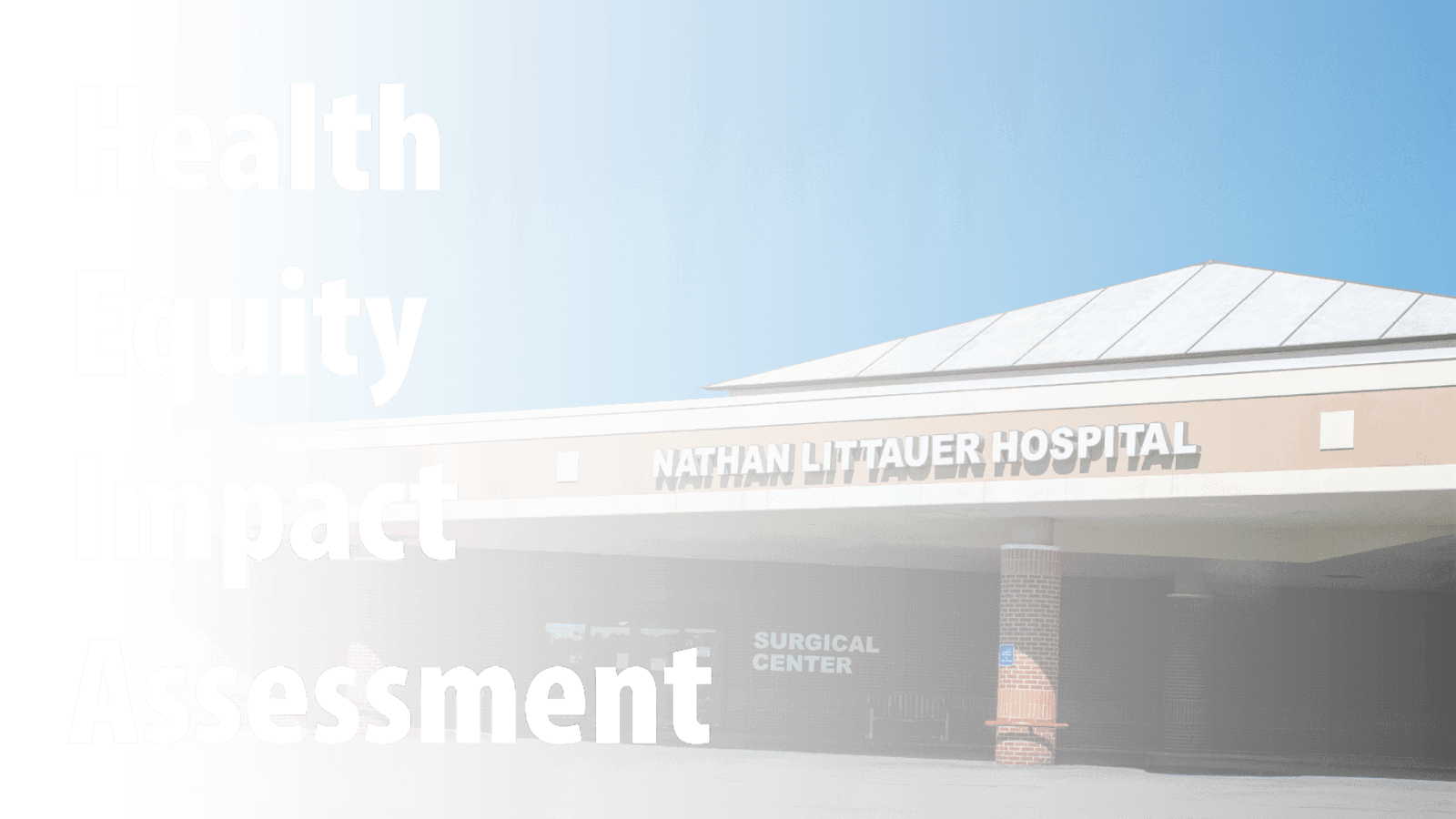
Nathan Littauer Hospital and Nursing Home
Gloversville, NY
- LPN
- Day shift


- New grads welcomed
- LPN
- Night shift

Third Shift Hospice LPN
$22–$35/hr
- LPN
- 8-hour rotating
- Tuition reimbursement


Working and living in Gloversville
· 9 open roles
Living costs
- Median gross rent
- $903/mo
- Rent and tenant-paid utilities
- Median household income
- $51,556/yr
- All local households, not nurse pay
New to our board this week
0 current postings first appeared here in the past seven days.
Credentials accepted
- RN2
- LPN6
One posting may accept more than one credential.
Shifts listed
- per-diem2
- Days1
- Nights1
- Rotating1
Postings may list several shifts or leave the shift unspecified.
Living in Gloversville
Known historically as the Glove City, Gloversville sits at the southern doorstep of the Adirondacks, offering relocating healthcare professionals a tranquil, small-city lifestyle rooted in industrial heritage.
More about life hereShow less
Shifts at regional medical facilities in Fulton County benefit from easy, congestion-free commutes averaging under twenty minutes. Between rotations, daily life revolves around a compact, revitalizing downtown where community staples like the 1914 Glove Theatre, Schine Memorial Hall, and the Micropolis Cooperative Art Gallery anchor cultural programming.
Outdoor-minded nurses will appreciate immediate access to the FJ&G Rail Trail, local parks like Trail Station Park and Littauer Plaza, and nearby watersports on Great Sacandaga Lake. Dining leans toward casual community hubs like Mohawk Harvest Cooperative Market alongside classic area steakhouses.
While the city's architectural legacy provides distinctive Victorian housing stock, moving here involves clear tradeoffs: winters bring heavy snowfall, nightlife is sparse, and post-industrial economic recovery remains uneven across neighborhoods. For clinicians seeking quiet community living and immediate wilderness access, Gloversville offers a grounded upstate base.
Sources
Neighborhoods
Residential Gloversville is anchored by a walkable downtown core centered on North Main Street and West Fulton Street, where historic lofts and civic spaces mingle with ongoing revival projects. Surrounding residential avenues feature tree-lined blocks lined with Victorian single-family houses, while the outer city edges along Steele Avenue, Bertrand Road, and County Highway 146 offer quieter, semi-rural settings.
Commutes across the city and into neighboring Johnstown are brief, though neighborhood texture can vary significantly from one block to the next.
Sources
Housing
The city's housing landscape is heavily defined by turn-of-the-century Victorian homes featuring detailed woodwork and spacious layouts, alongside multi-family houses and former manufacturing mills repurposed into residential spaces like the Glove City Lofts. Gloversville maintains a sizable renter population downtown, offering approachable entry points for newcomers, though older housing stock frequently demands ongoing maintenance and heating upgrades.
Sources
Getting around
Daily travel in Gloversville is predominantly car-dependent, with typical local drive times averaging around 17 minutes across the Fulton-Montgomery region. Local transit connections run through hubs like Four Corners Booth 3, but shift workers traveling to regional medical centers or between Gloversville and Johnstown generally rely on personal vehicles.
Traffic congestion is negligible, though winter weather requires reliable tires and vehicle preparation.
Sources
Food and dining
The local food scene is casual and regional, featuring long-standing favorites like the Raindancer Restaurant for classic dinners and Sam's Seafood Steakhouse. Downtown offers community-oriented options such as the Mohawk Harvest Cooperative Market, while residents often make short drives to waterfront eateries and sunset spots around nearby Great Sacandaga Lake for evening meals.
Sources
Outdoors
Positioned as the southern gateway to the Adirondacks, Gloversville offers immediate outdoor recreation centered around the FJ&G Rail Trail, a paved multi-use path tracing the historic railroad corridor that is designated on the New York State Birding Trail. Trail Station Park serves as a community gathering space with a splash pad and picnic facilities, supplemented by Myers Park and Littauer Plaza, while boat launches and lake recreation are easily accessible at Great Sacandaga Lake.
Sources
Arts and culture
Cultural life in Gloversville centers on its glove-manufacturing heritage and a dedicated downtown arts district. The historic 1914 Glove Theatre hosts live performances, concerts, and film screenings, alongside Schine Memorial Hall Cultural & Arts Center at the restored Kasson Opera House.
Visual arts thrive through the Micropolis Cooperative Art Gallery, Adirondack Stained Glass Works, the Glove Gallery at Glove City Lofts, and community celebrations like the annual autumn Rail Fest.
Sources
Seasons and weather
Gloversville experiences four distinct upstate seasons characterized by substantial winter snowfall averaging around 75 inches, requiring cold-weather readiness for early hospital shifts. Summers are generally comfortable and green, while autumn delivers vibrant Adirondack foliage that draws outdoor enthusiasts across Fulton County.
Sources
For families
Family life in Gloversville is supported by neighborhood parks, the splash pad and gathering grounds at Trail Station Park, and local youth recreation leagues. However, public school evaluations and municipal service ratings in Fulton County lag behind regional benchmarks, prompting families to carefully evaluate specific street-level pockets and surrounding school districts when choosing a home.
Sources
What locals say
Residents and newcomers appreciate Gloversville's close-knit community feel, unhurried pace, and the charm of its historic Victorian architecture. However, community discussions frequently highlight the lingering challenges of post-industrial economic recovery, including vacant commercial storefronts, visible pockets of poverty, understaffed municipal services, and a pronounced lack of nightlife or varied entertainment for young professionals.