
8 nursing jobs in Clinton, SC
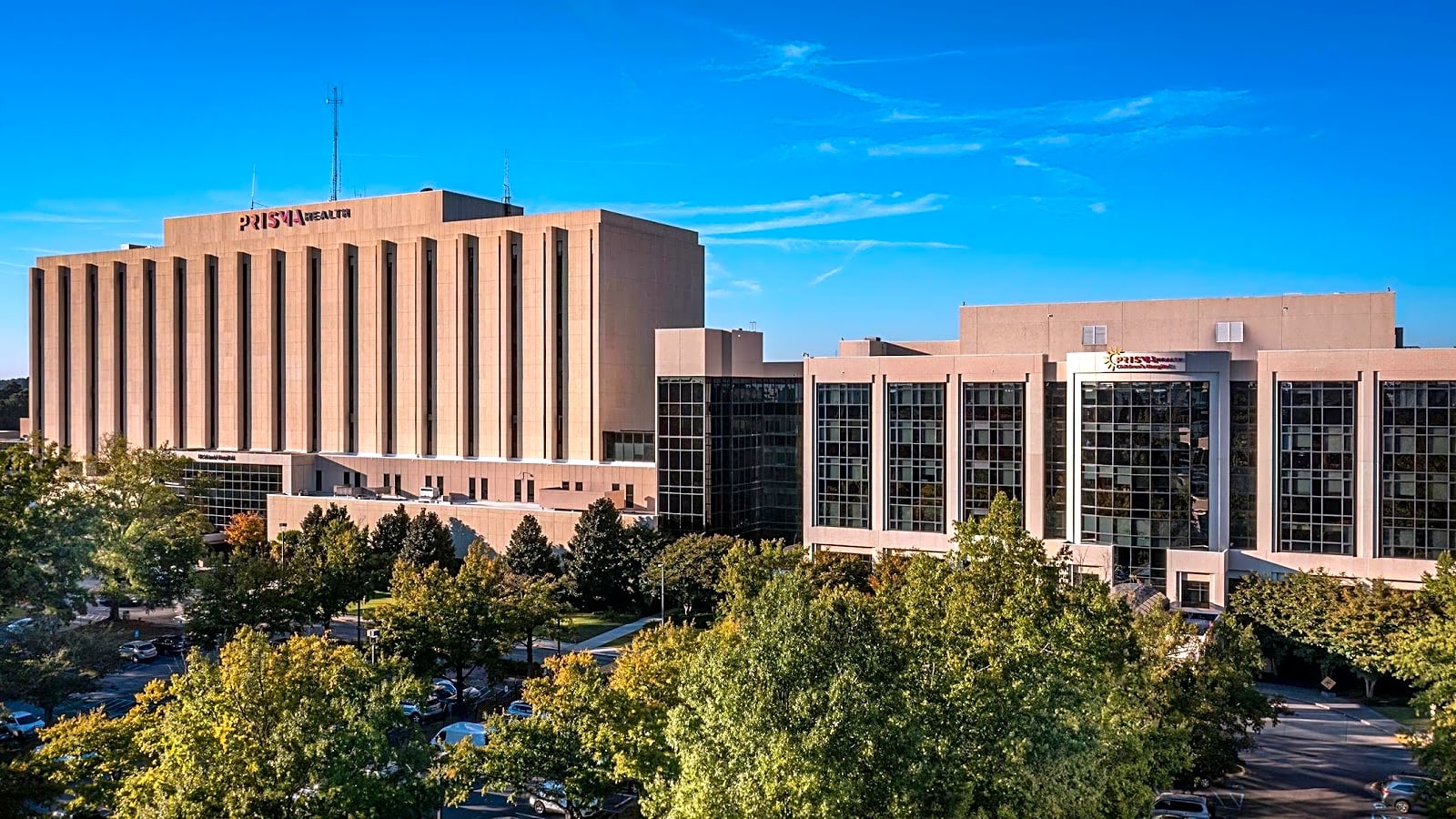
Find a nursing job in Clinton
Hiring here: Prisma Health (5) · ATC Healthcare Services of Georgia (1) · American Traveler (1) · Vibra Travels LLC (1)
Prisma Health
5 open roles · Hospital
Prisma Health
5 open roles · Hospital
- New grads welcomed
- LPN
- RN
- Rotating shift
- RN
- Night shift
- Per diem
- RN
- Day shift
- Per diem

Travel RN - Cardiac Telemetry
$1,915/week
- RN
- 19:00 to 07:30
- Travel contract


Registered Nurse (RN) - Telemetry
Up to $2,040/week
- RN
- 12-hour days
- Travel contract
Working and living in Clinton
· 8 open roles
New to our board this week
0 current postings first appeared here in the past seven days.
Credentials accepted
- NP1
- RN5
- LPN2
One posting may accept more than one credential.
Shifts listed
- Days2
- Nights2
- Rotating1
Postings may list several shifts or leave the shift unspecified.
Living in Clinton
Clinton presents healthcare workers with an authentic, unhurried South Carolina college town defined by railroad heritage and quiet residential living.
More about life hereShow less
Founded in 1852, this town of roughly 8,000 residents centers on a historic nineteenth-century commercial district and the scenic brick campus of Presbyterian College along Broad Street. For nurses, the town offers an exceptionally peaceful recovery environment after intense hospital shifts, highlighted by low ambient noise and an easy average commute of around 16 minutes.
Cultural life thrives around campus lectures, shows, and games at Bailey Memorial Stadium, alongside town traditions like the annual Rhythm on the Rails festival and burger runs to Wilson's Curb Market. Natural getaways such as Musgrove Mill State Historic Site and Little River Park provide quick outdoor escapes.
However, living in Clinton requires embracing trade-offs: public transit is minimal, grocery and specialty retail are limited, and extensive nightlife or specialized healthcare amenities demand a car trip along Interstate 26. For practitioners prioritizing community calm over urban bustle, Clinton offers an authentic, grounded Upstate retreat.
Sources
Neighborhoods
Residential living in Clinton revolves around its historic core and quiet suburban pockets. Neighborhoods flanking the downtown district and Presbyterian College along Broad Street feature established properties shaded by mature trees, while newer single-family residential tracts can be found along corridors such as Tango Drive and Peachtree Street.
The community is predominantly settled and residential, offering a calm pace and quiet streets suited for healthcare professionals looking to escape urban congestion.
Sources
Housing
Housing in Clinton primarily consists of established single-family homes rather than sprawling contemporary apartment complexes. The stock includes historic nineteenth- and early-twentieth-century homes near downtown and the college campus, along with modest ranch-style houses and mid-century detached properties in quieter residential streets.
The market caters well to smaller households and singles looking for detached yards and quiet residential environments.
Sources
Getting around
Clinton is deeply car-dependent, with public transit essentially limited across the municipality. Everyday commutes within town are brief—averaging roughly 16 minutes—and traffic congestion is virtually nonexistent compared to larger South Carolina metros.
Commuting nurses traveling to regional healthcare centers in Laurens County or the broader Upstate rely on personal vehicles and regional arterial connectors, including nearby access to Interstate 26.
Sources
Food and dining
The local dining scene is modest and leans heavily on long-standing casual institutions. A beloved community staple is Wilson's Curb Market on West Main Street, famous among locals for double bacon cheeseburgers and crinkle-cut fries.
Historic downtown Clinton square hosts gathering spots and event venues like The Cotton Loft, but nurses seeking specialized coffee roasters or late-night shift dining options will frequently travel to neighboring cities.
Sources
Outdoors
Outdoor recreation centers around historical parks and Upstate greenery. The standout regional attraction is the Battle of Musgrove Mill State Historic Site, offering nature trails, river access, and Revolutionary War history.
Within the city, Oak Street Park and Little River Park provide open green spaces for walks and fresh air, while the nearby edges of Sumter National Forest and Stewart Farms offer seasonal outdoor outings.
Sources
Arts and culture
Clinton's cultural calendar is anchored by Presbyterian College, which enriches the town from September through April with public lectures, theatrical plays, art exhibitions, and concerts, many open to the community free of charge. College athletics draw crowds to Bailey Memorial Stadium on game days.
The town's premier annual community gathering is the Rhythm on the Rails festival, celebrating Clinton's 1852 railroad founding with live music, craft vendors, family rides, and barbecue.
Sources
Seasons and weather
Clinton features a temperate climate with mild winters and warm, humid summers. The area experiences an annual average high near 73 degrees and typical lows around 48 degrees, making outdoor activity feasible throughout most of the year.
Winter snow is rare, averaging only about 2 inches annually, while the region receives around 46 inches of annual rainfall that keeps local parks and pine forests green.
Sources
For families
Clinton offers a low-noise, small-town atmosphere that provides a calm setting for family life. Community spaces like Oak Street Park, local sports at Bailey Memorial Stadium, and seasonal outings like Stewart Farms give children outdoor play options.
However, families often find that broader educational programs and specialized enrichment activities require commuting into larger surrounding Laurens County and Upstate districts.
Sources
What locals say
Residents appreciate Clinton's calm surroundings, low ambient noise, and rooted community feel anchored by long-term residents and the local college. However, newcomers and working professionals often note practical drawbacks: commercial services, diverse shopping, and entertainment are scarce locally, meaning most routine errands and dining excursions necessitate driving to larger neighboring towns.