
408 nursing jobs in Pittsburgh, PA
Pittsburgh pairs world-class healthcare networks with authentic neighborhood grit. Your paycheck stretches further here, where living costs sit about 5% below the national average. Trade hospital shifts for Strip District pierogies, Victorian rowhouses in Lawrenceville, and three-river views framed by the city's iconic yellow bridges.

Find a nursing job in Pittsburgh
Hiring here: UPMC (294) · Allegheny Health Network (14) · Veterans Health Administration (11) · Select Specialty Hospital - Pittsburgh UPMC (10) · Carnegie Park Post Acute (5) · Pittsburgh Comprehensive Treatment Center (4)

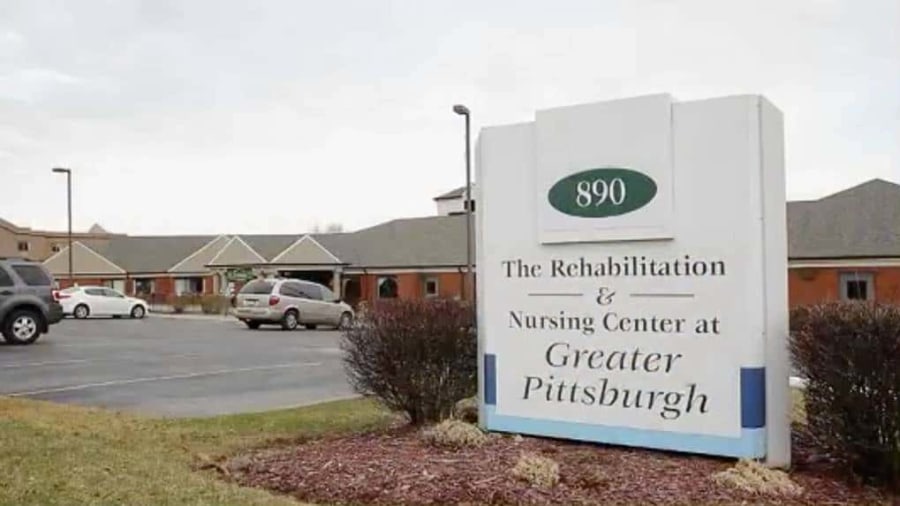
Licensed Practical Nurse Full Time
Pittsburgh, PA
- LPN
- 8-hour nights

- LPN
- Night shift
- Tuition reimbursement

Licensed Practical Nurse (LPN) | Flexible Scheduling
 Paramount Senior Living
Pittsburgh, PA
- LPN
- Tuition reimbursement
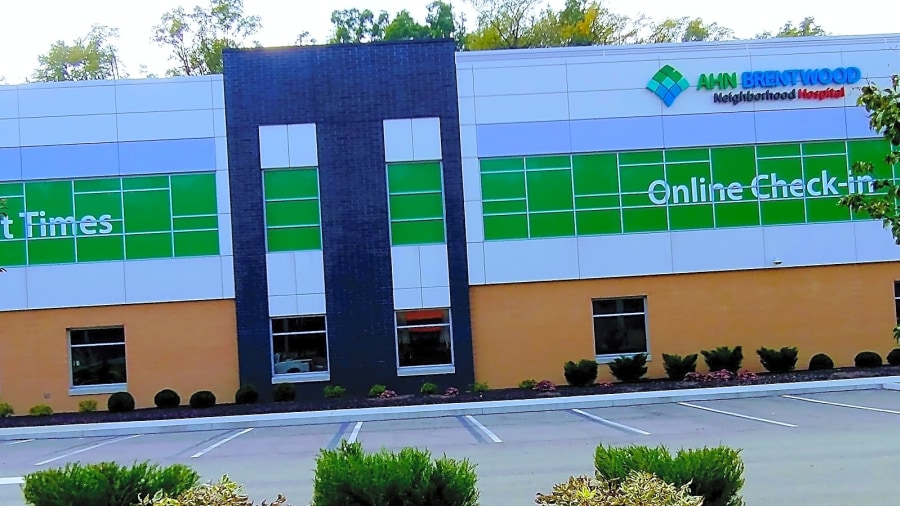
CT Technologist (Full-Time/Swing Shift)
 AHN Neighborhood Hospital
Pittsburgh, PA
- Sign-on bonus
- RN
- Mid/Swing Shift (7a-7p, 9a-9p)
- ADN accepted
- RN
- 12-hour nights
- Per diem
- Sign-on bonus
- RN
- Full Time, 7-7:30, Day Shift (No rotating shifts!)
- Tuition reimbursement

- RN
- CEU allowance


RN Case Manager
$72,000–$85,000/year
- Sign-on bonus
- RN
- Day shift
- Tuition reimbursement


- RN
- Day shift
Registered Nurse – Hospice On-Call | Flexible Schedules
$80,000–$95,000/year
- RN
LPN (Licensed Practical Nurse)
$26–$28/hr
- LPN
- Day shift
Director of Quality and Accreditation
Posted today
- RN
LPN Dispensing Nurse
Posted last week
- LPN/LVN
- Night shift
- LPN/LVN
- Monday-Friday, 5:00 AM-1:30 PM
- medication dispensary

- RN
- Per diem
- Compact license OK
- Sign-on bonus
- RN
- 12-hour nights
- RN

- RN
- Day shift
- Tuition reimbursement

- NP/RN

- RN
- Compact license OK
- Floating required

- New grads welcomed
- LPN
- 8-hour weekends only
- +$2/hr differential
RN, Weekends Only (doubles)
$41–$45/hr
- New grads welcomed · reported
- RN
- 16-hour weekends only
LPN Wellness Nurse
Posted last week
- LPN/LVN
- Day shift
- Sign-on bonus
- RN
- Night shift
Working and living in Pittsburgh
· 407 open roles
Posted hourly pay
- RN
- $40/hr median
- $37–$45/hr middle half · 27 postings
- LPN
- $36/hr median
- $29–$36/hr middle half · 7 postings
Living costs
- Median gross rent
- $1,261/mo
- Rent and tenant-paid utilities
- Median household income
- $65,742/yr
- All local households, not nurse pay
New to our board this week
54 current postings first appeared here in the past seven days.
Credentials accepted
- DNP4
- CRNA11
- NP5
- RN261
- LPN23
- LVN8
- CNA1
One posting may accept more than one credential.
Shifts listed
- Days96
- Rotating81
- Nights73
- per-diem36
- Evenings10
- weekend8
Postings may list several shifts or leave the shift unspecified.
Living in Pittsburgh
Pittsburgh is a hilly river city of about 301,000 that rebuilt itself around healthcare, universities, and tech—UPMC, Pitt, and Carnegie Mellon are the institutions a relocating nurse will actually feel.
More about life hereShow less
Paychecks stretch further than on the coasts: cost of living sits a couple percent below the national average, with neighborhood rents still clustering from the low $800s in Stanton Heights to about $1,670 in Squirrel Hill North. Lawrenceville and Shadyside are the young-professional defaults; Point Breeze and Squirrel Hill North add walkability, parks, and stronger schools; Swisshelm Park and Stanton Heights buy more house for the money.
Mt. Lebanon, Upper St. Clair, and Bethel Park dominate suburb talk. The honest tradeoffs are winter (November–March, about 28 inches of snow, ice on steep streets), thin transit outside downtown (Transit Score 55), and traffic on aging, hilly roads.
In exchange you get rivers and trails, Beechwood Farms’ 130 acres, Ohiopyle day trips, a Cultural District, black-and-gold sports, and neighborhood food streets in Squirrel Hill and the Strip. Choose the neighborhood for the hills and the commute, not the skyline.
Sources
Neighborhoods
Nurses and young professionals most often land in Lawrenceville (median rent about $1,057, homes around $226,300, safer than 69% of city neighborhoods) or Shadyside (rent about $1,283, homes $352,892, safer than 81%). Squirrel Hill North is a pricier A+ Niche area with many restaurants (rent about $1,670, homes near $497,000).
Stretch-the-paycheck, high owner-occupancy options include Stanton Heights (rent about $821, homes $163,800, 78.6% owner-occupied) and Swisshelm Park (rent about $978, homes $155,450, 82.4% owner-occupied). Point Breeze ranks among Niche’s 2026 best in the metro—walkable, park-surrounded, population about 6,812—while Reddit points people in their 20s to Lawrenceville, Central Northside/Mexican War Streets, and Shadyside.
Locals also name South Hills suburbs Upper St. Clair, Mt. Lebanon, and Bethel Park, plus Ross Township, when they want a quieter, all-around-good base.
Housing
Citywide snapshots disagree on the headline number: one 2026 guide puts average home price around $483,609 and average rent around $1,599; a 2024 roundup lists median sale near $250,000 and 1-bedroom rent about $1,607. Neighborhood medians are the practical map: Swisshelm Park and Stanton Heights sit near $155,000–$164,000 homes and sub-$1,000 rents; Lawrenceville around $226,300 / $1,057; Shadyside around $352,892 / $1,283; Squirrel Hill North around $497,262 / $1,670. Owner-occupancy is high in Stanton Heights (78.6%) and Swisshelm Park (82.4%) and much lower in Shadyside (27.9%) and Lawrenceville (38.6%). Cost of living is cited as about 2% below the national average, with housing the main reason a nurse’s $80k–$150k stretch further here than on the coasts.
Sources
Getting around
Sources do not give drive times or named bus/rail lines to specific hospital campuses, but healthcare is a core industry and UPMC is repeatedly listed among top employers alongside Pitt, with Google and Uber also in town. Day-to-day movement is shaped by steep hills, aging infrastructure, and traffic; Walk Score is 62, Bike Score 55, and Transit Score 55. Public transit is more usable toward downtown and thinner elsewhere, with reduced routes and underserved pockets, so many hospital workers still drive and should expect ice and hills to slow winter commutes.
Sources
Food and dining
These sources rarely name individual restaurants, but they treat food as a city strength. Squirrel Hill North is called out for many high-quality restaurants; VisitPittsburgh pushes an award-winning culinary scene and locally crafted beer; and locals talk up outdoor dining with patio city views.
Activity clusters around neighborhood main streets, the Cultural District, and the Strip District rather than a single late-night strip beside every hospital. Confirm hours and menus before you go—the local guides themselves warn that they change.
Sources
Outdoors
Tree-covered hills, riverside walking trails, and deer close to the urban core define outdoor life after the old industrial cleanup. Beechwood Farms Nature Reserve (Audubon Society of Western Pennsylvania) covers more than 130 acres with trails such as Pine Hollow, Meadowview, and Woodland.
Free Allegheny Observatory tours run April through late October at 159 Riverview Avenue (reservations required). Weekends commonly mean kayaks on the river, autumn hikes, and day trips to Ohiopyle State Park or McConnells Mill State Park; Point Breeze is described as surrounded by some of the city’s best parks.
Sources
Arts and culture
The Cultural District is the named home of world-class productions, with museums and neighborhood festivals filling the rest of the calendar, including a dedicated fall-festivals circuit. Sports are civic default in black and gold—VisitPittsburgh’s sports pages and a Pirates fan community both show how much teams matter—and the 2026 NFL Draft is cited as a city-shaping event.
Carnegie Mellon University and the University of Pittsburgh feed arts, research, and student nightlife around Oakland and nearby neighborhoods. Craft breweries and four-season events are how residents describe going out when they are not at a game.
Seasons and weather
Pittsburgh has four distinct seasons, and fall is the postcard: foliage, crisp air, pumpkins, and a run of fall festivals and hikes. Winter is the shock for many newcomers—roughly November through March, with freezing temperatures, ice, and about 28 inches of snow a year, plus hills that make commuting and outdoor time harder.
Weather and winter utility costs are repeatedly listed as trade-offs. The rest of the year supports trails, rivers, observatory nights (April–October), and patio dining, so the city lives outdoors when the ice is gone.
For families
Point Breeze residents call it a wonderful, walkable place to raise a family, surrounded by parks, with an A+ Niche grade, A-minus public schools, and about 6,812 people; Squirrel Hill North also grades A+ overall with A-minus schools. Stanton Heights and Swisshelm Park pair lower prices with high owner-occupancy, which usually means more settled blocks.
Facebook locals name Upper St. Clair, Mt. Lebanon, and Bethel Park as all-around good suburbs. Citywide crime is above the national average—safer than only about 10% of Pennsylvania cities—but the neighborhoods highlighted here are safer than roughly 62–81% of city neighborhoods, so families still shop school district and hills as carefully as square footage.
Sources
What locals say
People describe Pittsburgh as affordable compared with many U.S. cities, with nice residents, plenty to do, and a reasonable cost of living. They like the job market (about 3.4% unemployment), healthcare/tech/education employers, universities, outdoor access, sports, festivals, and roughly 90 distinct neighborhoods.
The same threads and guides keep returning to the same gripes: snowy winters, poor air quality, limited transit outside the core, hilly terrain, traffic, and aging infrastructure. Food is called different rather than bad; winters and hills are the adjustments newcomers mention most.