
132 nursing jobs in Honolulu, HI
Honolulu pairs Pacific island beauty with urban convenience, where palm-lined streets meet hospital corridors. Waikiki's shoreline and Diamond Head's slopes frame a compact capital city. Nurses relocating here trade mainland commutes for ocean views, though island living brings unique logistics worth weighing.
Find a nursing job in Honolulu
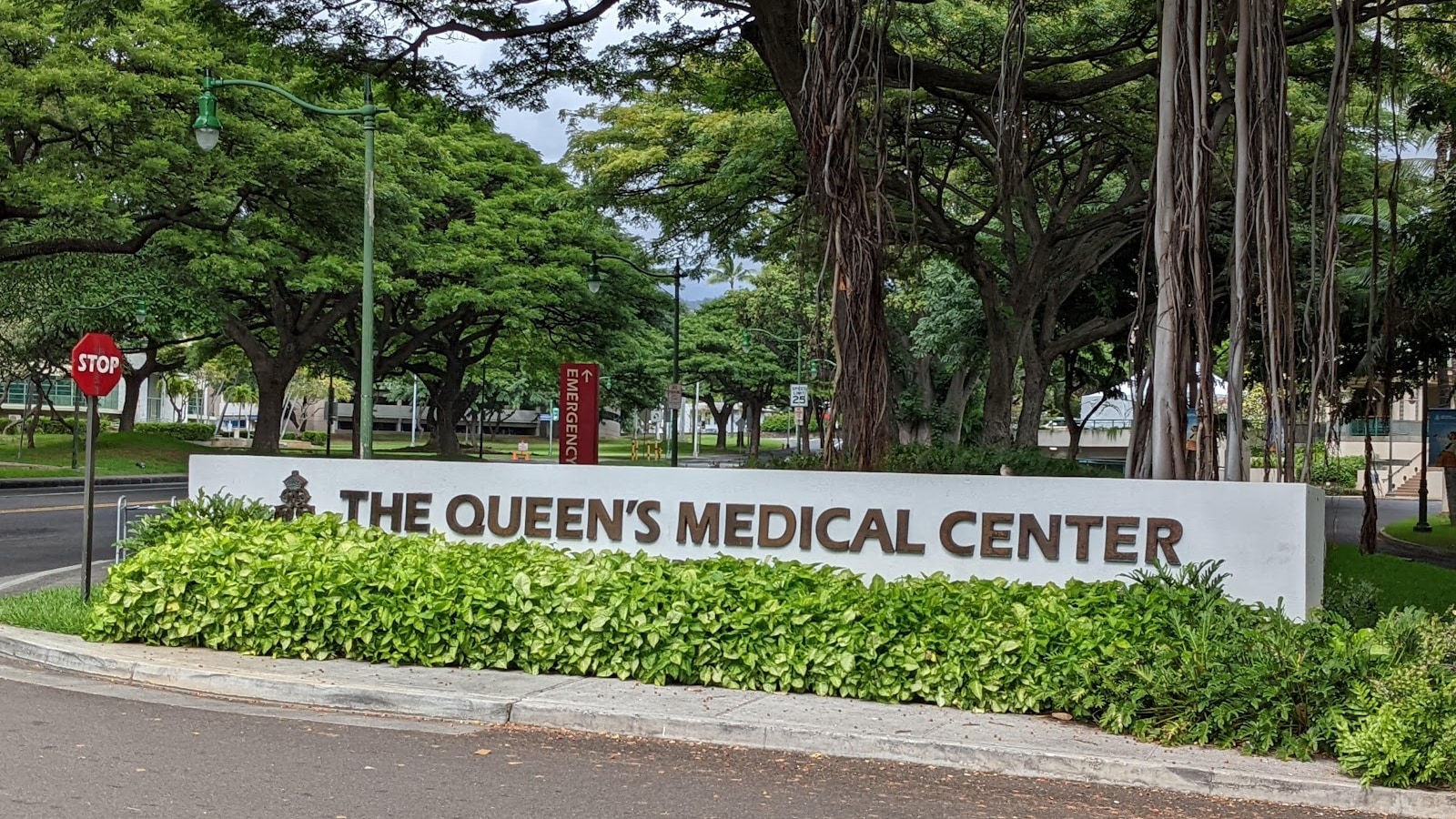
Hiring here: Kaiser Permanente (25) · Veterans Health Administration (14) · Hawaii Pacific Health (8) · The Queen's Medical Center (8) · Arcadia Family of Companies (3) · Kahu Malama Nurses (3)

- RN
- Full Time, 40, Day/Evening
- ADN accepted
- LPN






- RN
- Tuition reimbursement

Registered Nurse (RN) - Arcadia
$47–$52/hr
- RN
- 8-hour shifts
- Health Care Center
- LPN

- LPN
- Rotating - 8 Hours
- Per diem


- RN
- 8-hour days
- Per diem
- RN
- Per diem
- Tuition reimbursement
Staff Development Coordinator, RN
From $105,000/year
- RN
- Tuition reimbursement
ARCH LPN
$37–$39/hr
- LPN
- Eve and NOC shift. Weekends required.
- Tuition reimbursement

- RN

- RN
- Rotating shift
- Per diem

- RN/LPN


- RN
Nursing Facility Psychiatric LPN
$27–$34/hr
- LPN
- Primarily weekday business hours, aligned to APRN rounding schedules

Regional Nurse Consultant
$118,000–$124,000/year
- RN
- Tuition reimbursement
- RN
- Rotating shift
- RN
- 12-hour nights
- Per diem
Resident Care Manager (LPN or RN)
$75,000–$90,000/year
- LPN
- Tuition reimbursement
- RN
- Night shift
- Per diem

- LPN
- Rotating shift

- APRN

- CNA
- Rotating shift
- Travel contract
Licensed Practical Nurse - Allergy
$33–$35/hr
- LPN
- Day - 8 Hours
- Allergy/Immunology
Working and living in Honolulu
· 132 open roles
Posted hourly pay
- RN
- $49/hr median
- $41–$51/hr middle half · 44 postings
- LPN
- $34/hr median
- $32–$51/hr middle half · 17 postings
- CNA
- $24/hr median
- $23–$30/hr middle half · 5 postings
New to our board this week
9 current postings first appeared here in the past seven days.
Credentials accepted
- CRNA2
- NP4
- APRN1
- RN90
- LPN36
- LVN3
- CNA5
One posting may accept more than one credential.
Shifts listed
- Days40
- Rotating17
- per-diem12
- Nights11
- Evenings1
Postings may list several shifts or leave the shift unspecified.
Living in Honolulu
Honolulu packs a full city between the Koʻolau Mountains and the Pacific, so a rainforest valley and a high-rise waterfront can sit fifteen minutes apart.
More about life hereShow less
For a nurse, trails, beaches, and a lunch counter can sit close to work—if you accept island prices and Oahu traffic. Manoa is the in-town compromise: a green valley three miles from Downtown, cooler evenings, Manoa Marketplace errands, and Mānoa Falls plus Lyon Arboretum up the road, with one-bedrooms around $1,364 versus a citywide $1,788; expect daily showers.
Diamond Head–Kapahulu and Kaimuki draw families and young professionals; Kakaako and Waikiki are renter-heavy; Salt Lake/Aliamanu and Pearl City get called safe and convenient. Stretch west to Waipahu or Ewa Beach for yards, or into Kalihi for poke and lower rent with rougher edges.
Kaneohe is sleepier and cheaper than Kailua, with better traffic than the west side. Weather barely moves—about 85°F May–October, 78°F in winter—with localized rain and trade winds.
The tradeoff is cost, cultural adjustment, and whether you still want this after year three; paradise is real, but it is not a vacation.
Sources
Neighborhoods
Young professionals and in-town workers often land in Manoa, a green Koʻolau valley about three miles from Downtown with cooler evenings, University of Hawaiʻi at Mānoa energy, and average one-bedrooms around $1,364 versus $1,788 citywide. Apartments.com also flags Waikiki, Kaimuki, Nuuanu-Punchbowl, and Kakaako as strong renter neighborhoods; Extra Space groups Diamond Head-Kapahulu (families and young professionals), Hawaii Kai (more retiree-oriented), Kaimuki, Kaneohe, and Manoa as safer, relatively affordable Honolulu-area choices.
Facebook locals repeatedly name Salt Lake/Aliamanu, Manoa, and Pearl City as safe and convenient. Reddit prefers Kaneohe over pricier Kailua for a sleepier pace and better traffic than commuting from the west side; stretch further to Waipahu (old-Hawaii mix plus Waipio Shopping Center, on H-1), Ewa Beach (actual yards and a less-crowded beach), or Kalihi (closer-in and cheaper, tight-knit, rougher around the edges).
Housing
Citywide, a typical Honolulu one-bedroom averages $1,788 a month; Manoa undercuts that at about $1,364, but the average unit is only 338 square feet, so expect compact condos, apartments, and rented houses rather than sprawling layouts. Relatively affordable Oahu bets are Waipahu, Ewa Beach (one of the few places with actual yard space), Kalihi, Kaneohe versus pricier Kailua, plus Salt Lake/Aliamanu and Pearl City; Waikiki, Kakaako, and Diamond Head sit at the more central or premium end.
A Honolulu Facebook housing thread frames a 2.5-bath search around a $3,000–$4,000 budget. Reddit’s blunt version: it is livable if you are not broke, but do not count on a house with a yard unless you look west or to Ewa.
Getting around
Oahu traffic is the decision locals say can outweigh a cheaper rent; living closer to work is often worth paying more. Manoa is a 10- to 15-minute drive to Downtown, Ala Moana, and Waikiki, with a drivability score of 90 but walkability 40 and transit 30, so most errands still assume a car.
Kaneohe is described as having far better traffic than commuting in from the west side, while Waipahu sits on H-1 so getting into town is not terrible. Honolulu’s geography means a rainforest valley and a high-rise waterfront district can be only about 15 minutes apart, but west-side drives remain the daily stress people warn about; sources do not spell out hospital-campus parking or named bus lines to specific medical centers.
Sources
Food and dining
Kalihi is the local-food argument for living closer-in: a tight-knit community and some of the best poke on the island, even if the neighborhood is rough around the edges. In Manoa, South King Street is lined with casual, student-priced restaurants and cafes, and Manoa Marketplace covers groceries, coffee, takeout, and a pharmacy.
Named spots that come up in community threads include Aloha Kitchen for soufflé pancakes near HHV, The Alley in Aiea for oxtail soup and lemon crunch cake, Waiahole Poi Factory for pork and poi, Leonard’s, and Blue Water Shrimp by HHV for a triple breakfast and fish and chips. Farmers markets and the swap meet are the cheap, everyday eating culture beyond sit-down restaurants.
Outdoors
Weekends in Manoa stay close to home on the Mānoa Falls Trail and at the nearly 200-acre Lyon Arboretum at the top of Manoa Road. Island-wide, residents lean on free beaches and hiking: Waikīkī Beach, Kailua Beach Park, Makapuʻu Point, Diamond Head-Kapahulu, and Hawaii Kai, plus Tantalus Lookout for panoramic views.
Water life is year-round—snorkeling, scuba, kayaking, canoeing, swimming, and world-class surfing—with jagged Koʻolau peaks, waterfalls, reefs, and frequent rainbows as the backdrop. Low-cost outings locals actually mention include Pearl Harbor and the USS Arizona (cited at $1 in one community thread), the Dole Plantation, and farmers markets.
Arts and culture
Honolulu’s civic core is unusually museum-dense for a beach city: the Bishop Museum (Hawaiʻi’s largest history museum and a major Pacific cultural institution), the Honolulu Museum of Art, Shangri-La (Doris Duke’s cliffside Islamic-art house), ʻIolani Palace (the only official royal state residence in the U.S.), and Capitol Modern. The Polynesian Cultural Center is a regular outing, and Tantalus Lookout is the classic city-view stop.
Everyday culture is swap meets, farmers markets, and a cosmopolitan strip of historic landmarks, fine dining, and shopping stretching from Pearl Harbor to Makapuʻu Point, with Waikīkī as the famous beachfront node.
Sources
Seasons and weather
Hawaii runs on two seasons: summer from May to October, with average temperatures around 85°F, and winter from November to April, around 78°F, so the thermometer barely moves. Sunshine is the default most days of the year; the rain season (November to March) is highly localized, so a shower in one valley often means sun a short drive away, and trade winds keep humidity manageable.
Manoa is the exception newcomers feel first: its own microclimate brings showers most days, lush growth, damp lanais, and a permanent umbrella by the door. Even on rainier islands the sun typically returns the same day, which is why locals treat weather as a reason to go outside rather than a reason to stay in.
Sources
For families
Diamond Head-Kapahulu is explicitly pitched for families and young professionals, with Extra Space also citing excellent schools and community events among the Honolulu-area neighborhoods it ranks as safe and relatively affordable (alongside Hawaii Kai, Kaimuki, Kaneohe, and Manoa). Kaneohe is called a little sleepy, which Reddit treats as a plus, and Salt Lake/Aliamanu and Pearl City are recommended as safe, convenient places to live.
Honolulu’s overall crime rate is reported 7% below the national average and safer than 34% of U.S. cities, though denser, closer-in areas like Kalihi are described as rough around the edges. Hawaii Kai is framed more for retirees than for young families; sources do not name specific school ratings or childcare waitlists.
Sources
What locals say
People who stay describe paradise as real—beaches, rainbows, mountains—and often say even a bad day in Hawaii beats a good day elsewhere, but they stress that living here is not a vacation and takes planning and hustle. High cost of living, cultural adaptation, and limited job opportunities are the recurring cons in Facebook threads; a Reddit take is that it is not as prohibitively expensive as mainlanders claim unless you are very poor, but you should not expect a house with a yard.
Dwell Hawaii notes tens of thousands consider the move each year and a smaller share lasts past the three-year mark, with the difference usually being whether someone understood the trade-off before buying the one-way ticket. A transplant physician on Oahu 14 years, married into a multi-generation Honolulu family, still would not call herself local and says people underestimate how much more than a job offer the move requires.
Honolulu is cited as having crime rates 7% below the national average and safer than 34% of U.S. cities, though denser pockets can feel rougher.